
Exercise Physiology that fits into everyday life.
Mobile NDIS Exercise Physiology across Melbourne.
Exercise Physiology is one of the most versatile Allied Health therapies available through the NDIS. While many people associate it with fitness and exercise, it can support much more than physical health alone — becoming a pathway to greater independence, stronger routines, improved wellbeing and increased participation in everyday life. At Four Point Therapy, our Exercise Physiologists create personalised programs that feel achievable, practical and tailored to the individual.
A more thoughtful way to deliver therapy.
We don't operate on a "next available" model. Every referral is reviewed by our Intake and Admin team, and we take the time to match each Participant with the most suitable Exercise Physiologist based on their goals, support needs and individual circumstances. The relationship between a Participant and their Therapist plays an important role in engagement and long-term outcomes — when people feel comfortable, understood and supported, they're more likely to stay engaged and motivated over time.
Flexible, mobile therapy — built around you.
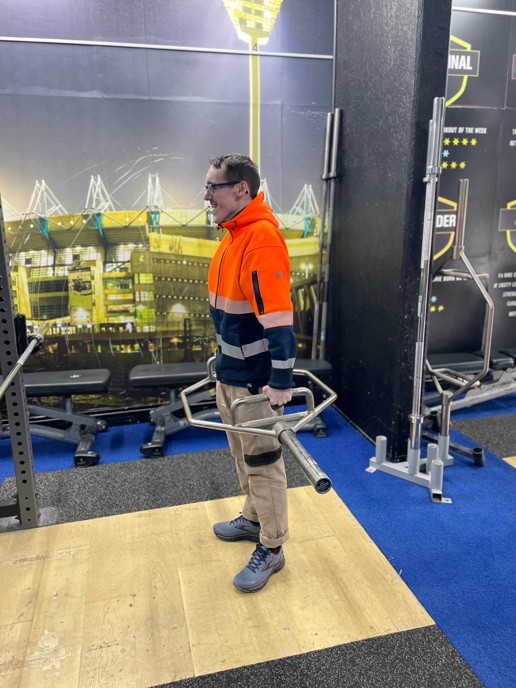
No two Participants are the same, and neither are the environments where they feel most comfortable accessing support. Our Exercise Physiologists deliver therapy in a range of settings — at home, in local gyms, leisure centres, aquatic facilities, schools, workplaces, parks or other community settings — and can also support Participants living in SDA and SIL environments. Wherever possible, we deliver therapy in environments that are familiar, accessible and relevant, so the setting itself becomes part of the intervention. Our Exercise Physiologists bring any equipment needed for the session.
More than just exercise.
Exercise Physiology looks different for everyone. Some Participants engage in sessions to improve strength, mobility or balance. Others may be working towards greater independence, developing healthy routines, improving wellbeing or participating more confidently in their community. For many, the most significant outcome isn't improved fitness — it's feeling more comfortable leaving the house, establishing a routine, or becoming more independent in daily life. Regular physical activity also positively influences mood, confidence and psychosocial wellbeing. There is no baseline level of fitness, strength or mobility required — sessions are adapted to the individual and tailored to people of all ages, abilities and support needs.
The supports we provide.
Every Participant's goals, circumstances and priorities are different. Our Therapists take the time to understand what's important to them, delivering support that's practical, evidence-based and tailored to their individual needs.
Strength, mobility and physical function
- Improving strength and endurance
- Improving mobility and movement confidence
- Improving balance and coordination
- Falls prevention
- Functional capacity building
- Increasing independence in everyday activities
- Building confidence with movement and exercise
- Improving community access and participation
Routine, independence and capacity building
- Developing sustainable exercise routines
- Building healthy lifestyle habits
- Increasing independence and self-management skills
- Goal setting and accountability
- Establishing structure and routine
- Supporting transitions into community-based activities
- Building confidence in new environments
- Capacity building aligned with NDIS goals
Mental health and psychosocial wellbeing
- Supporting emotional wellbeing through physical activity
- Supporting Participants with psychosocial disabilities
- Improving mood and emotional regulation
- Increasing confidence and self-efficacy
- Reducing social isolation
- Building routine and structure
- Increasing community engagement
Chronic health and long-term wellbeing
- Diabetes management
- Osteoarthritis and osteoporosis
- Cardiovascular conditions
- Respiratory conditions
- Obesity and weight management
- Chronic fatigue presentations
- Healthy ageing and maintaining physical function
Assessments and reporting
- Exercise Physiology assessments
- Functional assessments
- End of Plan reports
- Change of Circumstances reports
- Progress reporting
- Supporting documentation for NDIS reviews
A closer look at who we work with.
Our Exercise Physiologists support Participants across the lifespan and work with a wide range of disabilities, diagnoses and support needs. Diagnoses only tell part of the story — our focus is on understanding the individual, their goals and what support is most likely to make a meaningful difference in everyday life.
Neurological conditions
- Stroke
- Acquired Brain Injury (ABI)
- Traumatic Brain Injury (TBI)
- Spinal Cord Injury (SCI)
- Multiple Sclerosis (MS)
- Parkinson's Disease (PD)
- Cerebral Palsy (CP)
- Functional Neurological Disorder (FND)
- Neuromuscular conditions
Neurodevelopmental conditions
- Autism Spectrum Disorder (ASD)
- Attention Deficit Hyperactivity Disorder (ADHD)
- Intellectual disabilities
- Global developmental delay
- Learning difficulties
- Developmental Coordination Disorder (DCD)
Physical disabilities
- Reduced mobility
- Physical impairments
- Musculoskeletal conditions
- Amputations
- Chronic pain presentations
- Balance and coordination difficulties
- Reduced strength and endurance
- Functional decline
Psychosocial disabilities
- Anxiety disorders
- Depression
- Bipolar Disorder
- Schizophrenia and other psychotic disorders
- Borderline Personality Disorder (BPD)
- Post-Traumatic Stress Disorder (PTSD)
- Complex trauma
- Emotional regulation challenges
- Psychosocial disability presentations
Chronic health conditions
- Diabetes
- Osteoarthritis
- Osteoporosis
- Cardiovascular disease
- Respiratory conditions
- Obesity
- Metabolic conditions
- Chronic fatigue presentations
Complex and overlapping needs
- Participants with multiple diagnoses
- Physical and psychosocial disabilities
- Neurological and physical disabilities
- Complex support needs
- Reduced community participation
- Functional challenges impacting everyday life
Experienced, NDIS-focused clinicians.
We pride ourselves on having Exercise Physiologists who are experienced working within the NDIS and genuinely understand the complexities that can come with disability, health conditions and long-term support needs. They know how to deliver supports that align with Participant goals and funding requirements — including assessments, reporting and collaboration with broader support teams.
Beyond clinical experience, our Exercise Physiologists place a strong focus on building genuine therapeutic relationships and creating an environment where Participants feel supported, encouraged and empowered. As a team, we continue investing in ongoing learning, professional development and evidence-based practice.
Working alongside your wider team.
We work closely with Participants, families, Support Coordinators and broader treating teams to ensure supports remain aligned, practical and consistent. Clear communication, reliable reporting and a collaborative approach are a strong focus, and we aim to be a provider that people feel confident working alongside long term.
A person-centred approach to everyday life.
Our approach goes beyond exercise programs or physical goals alone. We take the time to understand the individual, their strengths, goals, environment and what meaningful progress looks like for them. For some, success means feeling stronger and more confident moving through daily life. For others, it might mean returning to community activities, developing a consistent routine or becoming more independent at home.
Why people choose Four Point Therapy.
We are a values-based provider committed to delivering high-quality Allied Health care to our community of NDIS Participants. That commitment is reflected in how we communicate, how we match Therapists and the strong focus we place on practical support that creates meaningful outcomes in everyday life.
Our approach is built around thoughtful Therapist matching, relationship-based care and flexible service delivery that Participants, families and Support Coordinators can feel confident in over the long term.
Funding Through the NDIS.
Exercise Physiology services can typically be accessed through NDIS funding where they are considered reasonable and necessary and align with a Participant's goals. We support Participants with assessments, reporting, exercise interventions and ongoing capacity-building supports designed to improve health, independence, participation and overall quality of life.